

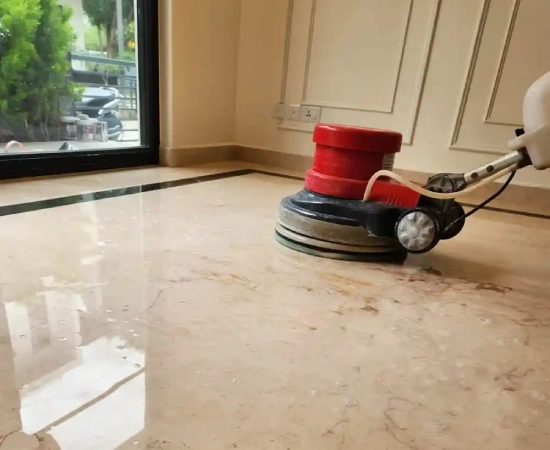
Marble surfaces are a timeless addition to any home or commercial space, offering a luxurious, natural look that elevates the aesthetic of any room. However, to maintain their beauty and durability, proper care is essential. Marble polishing vs sealing is a common dilemma faced by many homeowners and designers when it comes to marble maintenance.
Both polishing and sealing play crucial roles in maintaining the longevity of your marble, but they serve different purposes. Understanding the differences between marble polishing vs sealing and knowing when and how to apply each treatment is key to protecting your investment.
In this comprehensive guide, we will break down the functions of polishing and sealing, how they differ, and how you can properly care for your marble surfaces.
What is Marble Polishing?
Marble polishing refers to the process of refining and smoothing the surface of the marble to enhance its shine and appearance. Over time, marble surfaces can lose their natural luster due to wear and tear, foot traffic, and exposure to the elements. Polishing restores the glossy finish, making the marble look new again.
Benefits of Marble Polishing
- Restores shine: Helps bring back the glossy appearance of your marble.
- Smooth surface: Removes scratches, scuff marks, and unevenness.
- Enhances aesthetic appeal: A polished marble surface adds elegance and richness to any room.
- Removes stains: Polishing helps remove some surface stains that have not deeply penetrated the marble.
Polishing Process
- Cleaning: Thoroughly clean the marble surface to remove any dirt or debris.
- Buffing: Use a polishing pad and a suitable polishing compound to buff the surface.
- Finishing: Finish with a clean cloth to achieve a smooth, reflective surface.
Regular polishing frequency varies depending on the usage of the surface. High-traffic areas like floors may need polishing every 6-12 months, while countertops may require less frequent attention.
What is Marble Sealing?
Marble sealing, on the other hand, is a protective treatment that creates a barrier on the marble surface to prevent water, stains, dirt, and oils from penetrating into the stone. Marble is porous by nature, and without sealing, liquids can seep into the stone, leading to discoloration, staining, or even long-term damage. Sealing marble is an essential part of marble surface care.
Benefits of Marble Sealing
- Prevents stains: Sealing protects the marble from liquids, oils, and spills that can cause permanent staining.
- Water resistance: Keeps moisture from seeping into the surface.
- Protects from scratches and damage: While not as protective as polishing, sealing helps prevent minor abrasions.
- Extends lifespan: Sealing your marble regularly can help preserve the surface for years.
Sealing Process
- Clean the surface: Ensure the marble is completely clean and dry.
- Apply sealant: Use a high-quality marble sealer and apply it evenly across the surface.
- Let it sit: Allow the sealer to penetrate the marble for the recommended time.
- Buff off excess: Wipe off any excess sealer to ensure a smooth, clear finish.
Sealing should be done more frequently than polishing. Ideally, marble sealing should be done every 6-12 months, depending on the usage and exposure to moisture.
Marble Polishing vs Sealing – Key Differences
1. Purpose
- Polishing: Aesthetic enhancement by improving shine and smoothness.
- Sealing: Protection of the marble surface from stains, moisture, and contaminants.
2. Process
- Polishing: Involves buffing and polishing to restore the surface’s natural shine.
- Sealing: Involves applying a protective barrier to prevent damage.
3. Frequency
- Polishing: Typically required every 6-12 months, depending on use.
- Sealing: Should be done every 6-12 months, especially in high-traffic areas.
4. Effectiveness
- Polishing: Best for restoring appearance and enhancing gloss.
- Sealing: Best for protecting the marble from stains and moisture penetration.
While polishing frequency is largely based on how much traffic the surface receives, sealing should be more routine to keep your marble protected over time.
When to Choose Marble Polishing vs Sealing
Choosing between marble polishing vs sealing depends on your specific needs and the condition of the marble. Here are some key guidelines for when each treatment is needed:
When to Polish Marble
- Lack of shine: If your marble surface appears dull or has lost its original glossy finish, it’s time to polish.
- Scratches or imperfections: If the surface has minor scratches, scuff marks, or unevenness, polishing can smooth it out.
- Preparing for an event: If you want to enhance the appearance of your marble for a special occasion or event, polishing is a great way to achieve that.
When to Seal Marble
- New marble: As soon as you install marble, it’s important to apply a sealer to protect it from damage.
- Staining or discoloration: If your marble surface has started to show stains or discoloration, sealing it will prevent further damage.
- High moisture areas: Areas like kitchens, bathrooms, and outdoor spaces require regular sealing to protect the marble from moisture exposure.
Both processes complement each other. Polishing restores appearance, while sealing protects the surface from further damage. For the best results, both should be part of your marble protection guide.
Tips for Proper Marble Maintenance
To ensure your marble remains in excellent condition, here are some helpful tips for marble surface care:
- Clean spills immediately: Wipe up any liquid spills right away to prevent staining.
- Use coasters and mats: Place protective mats under glassware and coasters under drinks to prevent accidental spills.
- Avoid harsh chemicals: Clean marble with pH-neutral cleaners instead of harsh chemicals that can damage the surface.
- Use a soft cloth: Always use a soft cloth or microfiber towel to clean or polish your marble.
Marble Maintenance Cost
The marble maintenance cost includes both the cost of materials and professional services for polishing and sealing. While sealing tends to be more affordable, polishing can require more investment due to the labor-intensive process. However, maintaining marble surfaces through regular care will save you money in the long run by preventing damage and reducing the need for costly repairs.
Final Thoughts
Both marble polishing vs sealing play essential roles in maintaining the beauty and durability of marble surfaces. Polishing restores the shine and smoothness of the marble, while sealing provides much-needed protection against stains, moisture, and other damage. By understanding the differences between the two and knowing when to apply each, you can extend the lifespan of your marble surfaces and keep them looking beautiful for years to come.
For a well-maintained marble surface, ensure regular polishing and sealing, and follow the proper care practices outlined in this guide.
At Adi Marble, we don’t just supply stone—we craft experiences. With our carefully curated collection of the finest Italian marbles like Statuario, Calacatta, Botticino, and more, we help you design spaces that speak volumes. From residential elegance to commercial grandeur, our team of experts walks with you through every step—from selection to seamless installation—ensuring your project shines with unmatched luxury and style.
📍 Visit Us: Chintamani Park Road, Borate Vasti, Tukaram Nagar, Kharadi, Pune, Maharashtra 411014
📞 Call Us: +91-9168633149
🌐 Explore More: https://adimarble.in
👉 Step into a world of elegance. Step into Adi Marble.