

Introduction
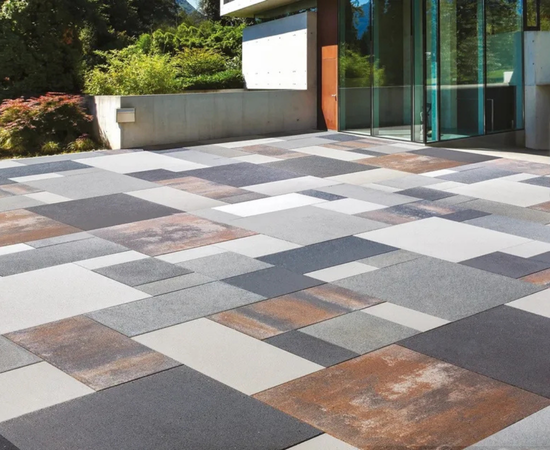
The elegance of marble is often associated with interior spaces—bathrooms, grand lobbies, kitchens. But what about using marble outdoors for patios, facades, walkways, or terraces? The question is: can stunning marble surfaces survive harsh elements while remaining functional and safe? In this article, we explore the pros and cons of outdoor marble use, examine weather‑resistant marble options, address slip resistance, sealing needs, and provide practical tips so that your outdoor stone design stands the test of time.
1. The Promise and Peril of Using Marble Exteriorly
Marble brings unmatched natural beauty, unique veining, and a sense of luxury. But outdoors, materials face sun, rain, freeze‑thaw cycles, pollution, and foot traffic. The core issues with marble for exterior use are:
- Its relative softness compared to harder stones
- Porosity: marble can absorb moisture, which may lead to staining or freeze damage
- Sensitivity to acidic agents (acid rain, salts, pollution)
- Surface finishes: polished marble outdoors may lose gloss quickly and become slippery
That said, with proper material selection, finishing, installation, and care, marble can be used outdoors—but not all types or settings are ideal.
2. What Makes Marble Suitable (or Unsuitable) for Outdoor Use?
2.1 Ideal Characteristics of Outdoor Marble
To perform well outside, marble should have:
- Low water absorption
- Good frost resistance in cold climates
- Resistance to salt and pollution
- Moderate hardness to avoid cracking
- Non-slip, textured finish suitable for weather exposure
Some marble types are more robust and durable, depending on their density, grain, and mineral composition.
2.2 Risks & Failure Modes
- Spalling or flaking from water absorption and freezing
- Cracks and fractures due to temperature changes or poor installation
- Discoloration and fading from UV rays or mineral leaching
- Etching and staining from acidic elements or pollution
- Slippery surfaces if polished marble is used outdoors
3. Best Marble Types & Finishes for Outdoor Use
3.1 Marble Types More Suitable Outdoors
- Neutral-toned or earth-colored marbles often weather better than pure white marbles
- Dense marbles with low porosity are more suitable
- Stones that are certified or historically proven for outdoor use offer more reliability
3.2 Finishes & Surface Treatments
- Textured finishes like bush-hammered, tumbled, or brushed increase grip
- Satin or honed finishes are safer than highly polished ones
- Impregnating sealers that allow the stone to breathe while resisting moisture are ideal
Avoid polished finishes outdoors—they wear down faster and pose a higher slip risk when wet.
4. Installation & Design Guidelines for Outdoor Marble
Proper installation is just as important as selecting the right stone.
4.1 Design & Layout
- Use thicker slabs or tiles for structural strength
- Ensure proper slope and drainage to avoid water pooling
- Allow for flexible joints and thermal movement
- Install over a stable, well-prepared base to prevent shifting
- Use rounded or drip edges to minimize water damage
4.2 Sealing & Protection
- Apply a high-quality penetrating sealer during installation
- Re-seal every 1–3 years depending on environmental exposure
- Avoid surface coatings that trap moisture beneath the stone
4.3 Maintenance Regimen
- Clean with pH-neutral stone cleaners
- Avoid harsh chemicals, acids, or bleach
- Regularly sweep and remove debris
- Promptly clean spills and monitor for stains or mold
5. Use Cases: Where Marble Works (and Doesn’t) Outdoors
5.1 Safer / Suitable Applications
- Facades and cladding (vertical surfaces that shed water more easily)
- Decorative walls, columns, and trim
- Outdoor kitchens and bar counters (with proper cover and care)
- Planters, fountains, and garden statues
5.2 Riskier / Less Recommended Applications
- Pool decks and wet areas where slip risk is high
- Driveways exposed to de-icing salts or heavy vehicles
- High-traffic patio flooring in harsh climates
6. Decision Checklist: Should You Use Marble Outdoors?
Ask these questions before making your decision:
- Is your climate freeze-prone or tropical?
- Will the marble be used horizontally or vertically?
- Can you commit to proper sealing and maintenance?
- Is the finish safe for wet or high-traffic areas?
- Could another stone be more durable for critical zones?
In many projects, designers combine marble with other stones, using it as an accent or on vertical surfaces while relying on more durable options for functional zones.
Conclusion
So, is marble for exterior a safe choice? The answer lies in how and where you use it. Outdoor marble offers a luxurious, timeless charm—but it requires the right type, finish, installation, and maintenance to withstand the elements. Whether used for facades, accents, or garden features, outdoor marble can absolutely work if thoughtfully applied.
If you’re dreaming of elegant patios, stunning facades, or an outdoor space that exudes natural luxury—marble can deliver, but make sure you’re prepared to care for it accordingly.
✨ Elevate Your Space with Adi Marble
At Adi Marble, we don’t just supply stone—we craft experiences. With our carefully curated collection of the finest Italian marbles like Statuario, Calacatta, Botticino, and more, we help you design spaces that speak volumes.
From residential elegance to commercial grandeur, our team of experts walks with you through every step—from selection to seamless installation—ensuring your project shines with unmatched luxury and style.
📍Visit Us:
Chintamani Park Road, Borate Vasti, Tukaram Nagar, Kharadi, Pune, Maharashtra 411014
📞Call Us:
+91-9168633149
🌐Explore More:
https://adimarble.in
👉Step into a world of elegance. Step into Adi Marble.