

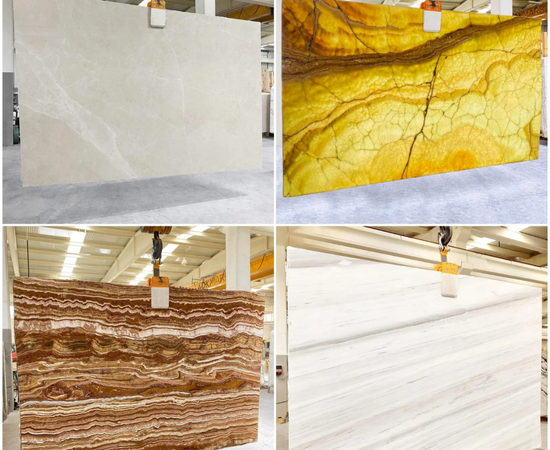
Marble is a luxurious and timeless material that elevates the aesthetic appeal of any space. Whether you are remodeling your home, designing a new kitchen, or renovating a bathroom, choosing the right type of marble can make all the difference. Two popular choices for marble are imported marble and Indian marble, each with its own unique characteristics, pricing, and quality. In this article, we will dive into a comprehensive cost and quality comparison between these two options to help you make an informed decision.
Understanding Imported Marble vs Indian Marble
Before diving into cost comparisons, it’s essential to understand the two types of marble and their differences.
- Imported Marble refers to marble sourced from countries such as Italy, Turkey, Greece, Spain, and more. These marbles are often known for their high-end, exclusive patterns and colors.
- Indian Marble, on the other hand, is locally sourced from quarries within India. Known for its variety, durability, and affordability, Indian marble is popular in both residential and commercial spaces.
Now, let’s break down the factors that influence the price and quality of these two types of marble.
Cost Comparison: Imported Marble vs Indian Marble
Price of Imported Marble
Imported marbles tend to be more expensive due to a variety of factors. Here’s why:
- Import Duty: When marble is imported, it is subject to customs duties, taxes, and shipping charges. These costs are passed onto the buyer, making imported marble significantly more expensive.
- Transportation Costs: Marble from abroad needs to be shipped long distances, which adds up to the overall cost. Whether it’s shipping from Italy or Greece, international transport plays a major role in the price.
- Exclusivity: Imported marble is often considered luxurious and exclusive. Marble types like Carrara, Calacatta, and Statuario are prized for their pristine beauty and rarity, which inflates their price tag.
- Higher Labor Costs: The process of cutting, finishing, and polishing imported marble can sometimes be more complex, depending on the type, leading to higher costs.
Price of Indian Marble
Indian marble is more affordable compared to imported marble for several reasons:
- Local Sourcing: India has abundant marble reserves, which reduces the cost of sourcing. Since the transportation distance is much shorter, the overall shipping and handling costs are significantly lower.
- Lower Import Duties: As the marble is sourced locally, there are no import taxes or duties, further driving down the price.
- Variety: Indian marble offers a range of price points, from more budget-friendly options like Makrana Marble to premium stones like Kashmir White or Ambaji Marble. The ability to choose based on your budget adds flexibility.
- Fewer Processing Costs: Local labor and processing are typically cheaper in India, which helps to lower the overall cost of the marble.
Price Comparison Summary
- Imported Marble: $15 to $50 per square foot, depending on quality and rarity.
- Indian Marble: $5 to $25 per square foot, depending on type and quality.
While imported marble offers superior aesthetics, Indian marble presents excellent value for money without compromising on beauty and durability.
Quality Comparison: Imported Marble vs Indian Marble
Durability and Strength
- Imported Marble: Imported marbles like Italian Carrara are famous for their durability and fine grain. However, because of their fine texture, they may be slightly more prone to scratching and staining, requiring careful maintenance.
- Indian Marble: Indian marble is renowned for its robust durability and resistance to wear and tear. Makrana marble, for instance, is famous for its strength and longevity. However, some varieties of Indian marble can be softer, so they may not always match the scratch resistance of premium imported options.
Aesthetic Appeal
- Imported Marble: When it comes to visual appeal, imported marble is often seen as superior due to its fine veining, rich color variations, and unique patterns. For example, the Calacatta Gold is prized for its striking gold veins, while Statuario marble is known for its pristine white appearance.
- Indian Marble: Indian marble comes in a wide array of colors and textures, from creamy whites to deep greens and gold. Some varieties, such as Kashmir White or Raj Nagar Marble, offer an elegant finish. While the veining and patterns might not be as dramatic as imported marble, the variety and beauty are unmatched at a budget-friendly price.
Maintenance
Both imported and Indian marbles require regular maintenance to keep them looking their best.
- Imported Marble: Imported marbles can be more porous and sensitive to stains, especially when exposed to acidic substances like lemon or vinegar. Sealing the surface regularly can help prevent stains and scratches.
- Indian Marble: Indian marble requires similar care in terms of cleaning and sealing. However, certain types, like Makrana marble, tend to hold up better over time with minimal maintenance.
Benefits of Choosing Local (Indian) Marble
- Cost-Effective: As discussed earlier, Indian marble is significantly more affordable than imported options, making it a great choice for large-scale projects or for those on a budget.
- Sustainability: Choosing Indian marble supports the local economy and reduces the carbon footprint associated with long-distance shipping.
- Variety: India offers a wide variety of marble, from white to green to yellow hues, so you have more options to choose from, catering to different design preferences.
- Accessibility: With local sourcing, Indian marble is easier to find, and it can be delivered quickly, which can be crucial for time-sensitive projects.
Final Verdict: Imported Marble vs Indian Marble
- Imported Marble is ideal for those who want to add a touch of luxury to their homes or spaces. If you have a higher budget and are looking for rare patterns and colors, imported marble could be the perfect option.
- Indian Marble is the better choice for cost-conscious buyers who still want high-quality marble. The variety, durability, and affordability of Indian marble make it a practical choice for most homeowners.
Actionable Tips for Choosing Marble
- Assess Your Budget: Understand your budget and compare the price per square foot before making a decision.
- Consider the Purpose: If you’re designing a high-end feature like a countertop or flooring in a luxury space, imported marble may be worth the investment. For more functional spaces, Indian marble provides excellent durability at a fraction of the cost.
- Research Maintenance Requirements: Determine how much time and effort you can dedicate to maintenance before deciding on the type of marble.
In conclusion, both imported and Indian marble offer distinct advantages, but choosing the right one depends on your specific needs, budget, and preferences. Whether you decide to go with the luxury of imported marble or the affordability of Indian marble, both options can help you achieve the elegant look you desire for your home.
By understanding the differences in pricing, quality, and maintenance, you can confidently make the best decision for your project. Choose wisely, and your marble will add timeless beauty and value to your space.
🏛️Ready to Elevate Your Interiors?
Don’t settle for the ordinary—make a statement with Adi Marble.
At Adi Marble, we don’t just supply stone—we craft experiences. With our carefully curated collection of the finest Italian marbles like Statuario, Calacatta, Botticino, and more, we help you design spaces that speak volumes.
From residential elegance to commercial grandeur, our team of experts walks with you through every step—from selection to seamless installation—ensuring your project shines with unmatched luxury and style.
📍Visit Us:
Chintamani Park Road, Borate Vasti, Tukaram Nagar, Kharadi, Pune, Maharashtra 411014
📞Call Us:
+91-9168633149
🌐Explore More:
https://adimarble.in/
👉Step into a world of elegance. Step into Adi Marble.